Residential Refrigerator Repair for Summit Homes
Residential refrigerator repair in Summit starts with the way your household uses the appliance and the space around it. A family refrigerator opened throughout the day behaves differently from a lightly used garage unit, while a built-in model can be difficult to access without careful planning. Tell us whether you have a top-freezer, French-door, side-by-side or built-in refrigerator, and describe any stairs or tight turns between the entrance and kitchen. We check temperature, airflow, door sealing and the component tied to your symptom. If groceries are warming, keep the doors closed and give us the thermometer reading. Our goal is to find the failed part, complete the repair safely and verify cooling before we leave.
We check your Summit refrigerator's temperature, airflow, controls and door seal before recommending a part. If the fresh-food section is warm but the freezer remains cold, tell us; that pattern can point us toward a focused inspection rather than a general parts replacement.
Frost on the freezer wall, soft food or a fan that stops and starts can indicate a defrost or airflow fault. We inspect the frost pattern, test relevant components and confirm that the fan can circulate air after the repair at your Summit home.
A puddle near the refrigerator or an ice maker that will not fill needs a source check. We inspect the water path, filter and ice maker operation, then run a cycle and look for leakage before leaving your Summit kitchen.
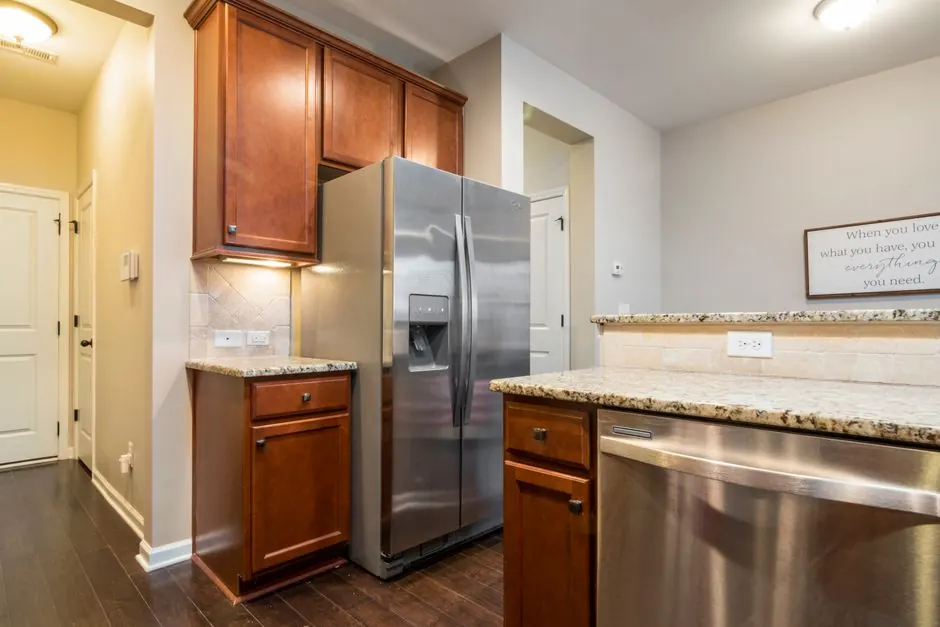
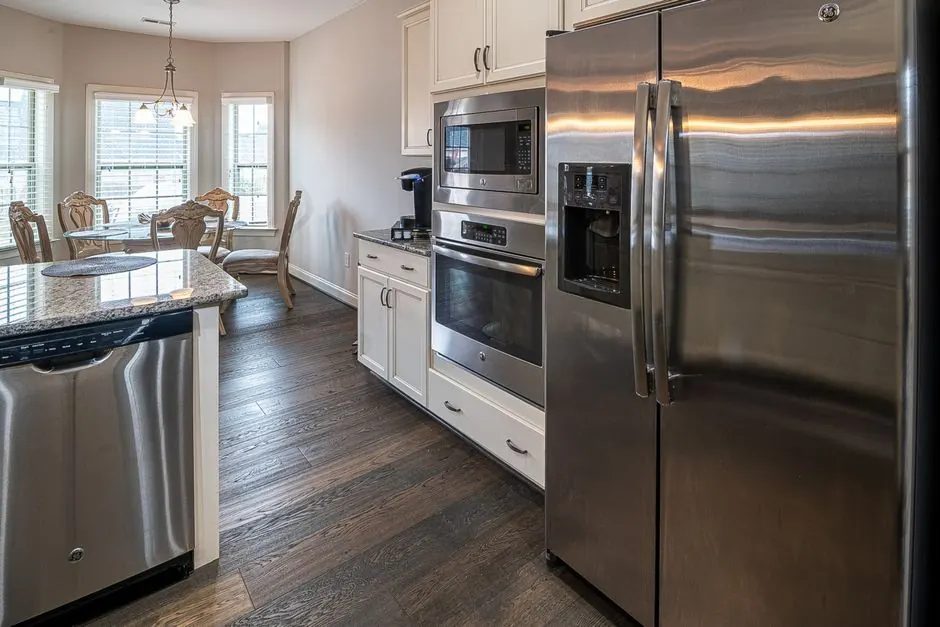
Built-in refrigerators can sit tightly between cabinets and require careful handling. Tell us the model and entry constraints at booking. We plan the inspection around the unit's position and protect nearby flooring and cabinetry while working at your Summit address.
- A temperature reading and symptom-based diagnosis help protect groceries and avoid unnecessary parts replacement.
- We plan around stairs, tight kitchen entries and built-in cabinetry before moving your Summit refrigerator.
- You get a post-repair operating check and practical guidance on what temperatures to monitor.