Residential Refrigerator Repair in Ridgefield
Ridgefield homes range from older properties near downtown to newer houses with open kitchens, built-in refrigerators, and garage freezers. When a refrigerator fails, families need a clear answer about food safety and a practical repair plan. We ask whether one or both compartments are affected, how long the problem has been present, and what the temperature reads. Refrigerator repair at home may involve a fan, thermostat, door gasket, water filter, or ice maker assembly; we test before replacing parts. Our technicians protect floors and cabinetry, take account of tight installations, and check operation after the repair. If the appliance is not holding safe temperatures, keep the doors closed and call with the model number.
We check warm compartments, erratic temperatures, and unusual cycling in Ridgefield kitchens by measuring temperatures and inspecting airflow and controls. Your model number helps us identify the correct service approach. After repair, we verify operation and explain how long the appliance may need to recover to its target temperature.
If your Ridgefield freezer has soft food, frost buildup, or a new noise, we inspect the door seal, vents, and defrost operation. We check the parts that match the symptom rather than replacing components by guesswork. You receive practical temperature-monitoring steps after the repair.
A leaking dispenser or stopped ice maker can damage flooring and interrupt normal kitchen use. In Ridgefield homes, we check the water connection, filter, fill path, and ice maker assembly. We run a cycle and inspect for leaks before we finish the visit.
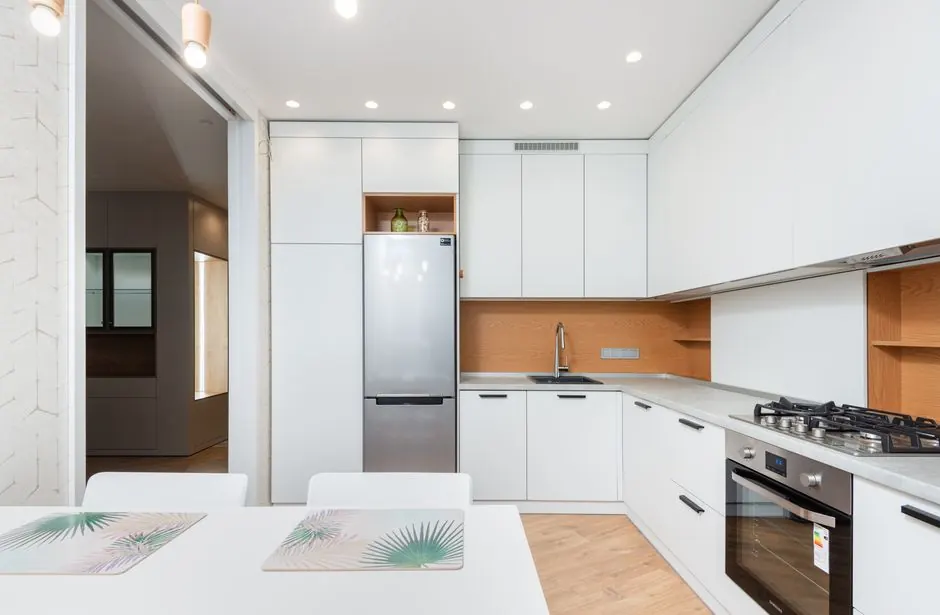
Built-in and counter-depth refrigerators need careful access because cabinet clearance can be limited. We ask Ridgefield customers about the installation before arrival and protect surrounding surfaces while reaching serviceable components. Afterward, we confirm that the unit sits properly and that doors close without obstruction.
- Protect groceries by identifying unsafe temperatures early and getting clear steps while your refrigerator is being diagnosed.
- Avoid unnecessary part changes through temperature readings, airflow checks, and electrical testing tied to the actual symptom.
- Keep floors and cabinetry protected when a built-in or tightly fitted appliance needs to be moved for service.